Overview
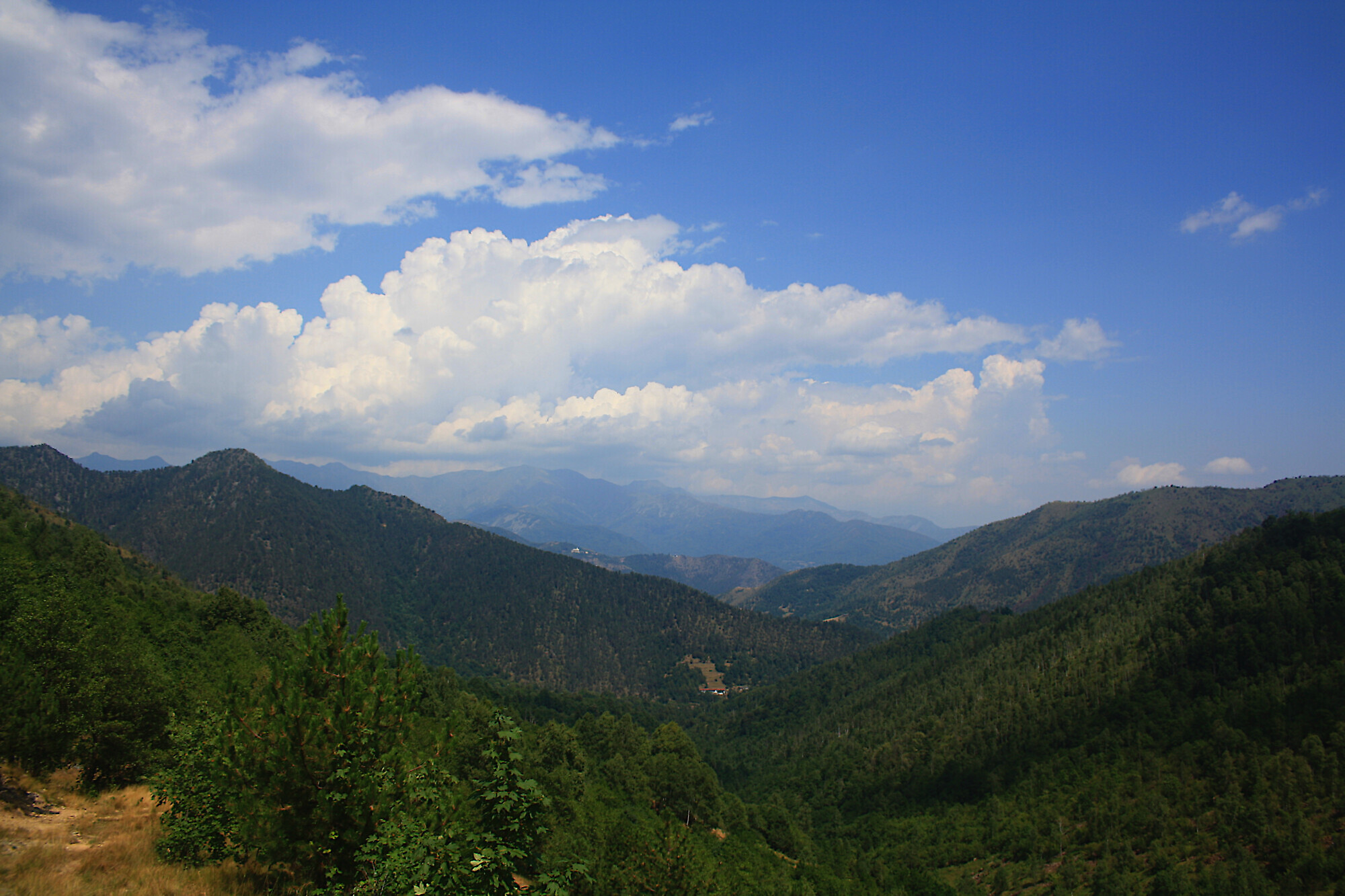
Long route suitable for spring and fall that crosses the two valleys of Rio Richiaglio and Rio delle Toglie. The highest point of the route is Colle Grisoni, from which you reach the small chapel of San Vito before descending toward the village of Richiaglio, the village of wicker baskets. Places rich in history that still today tell the story of the partisan struggle in the Valli di Lanzo.
Starting point
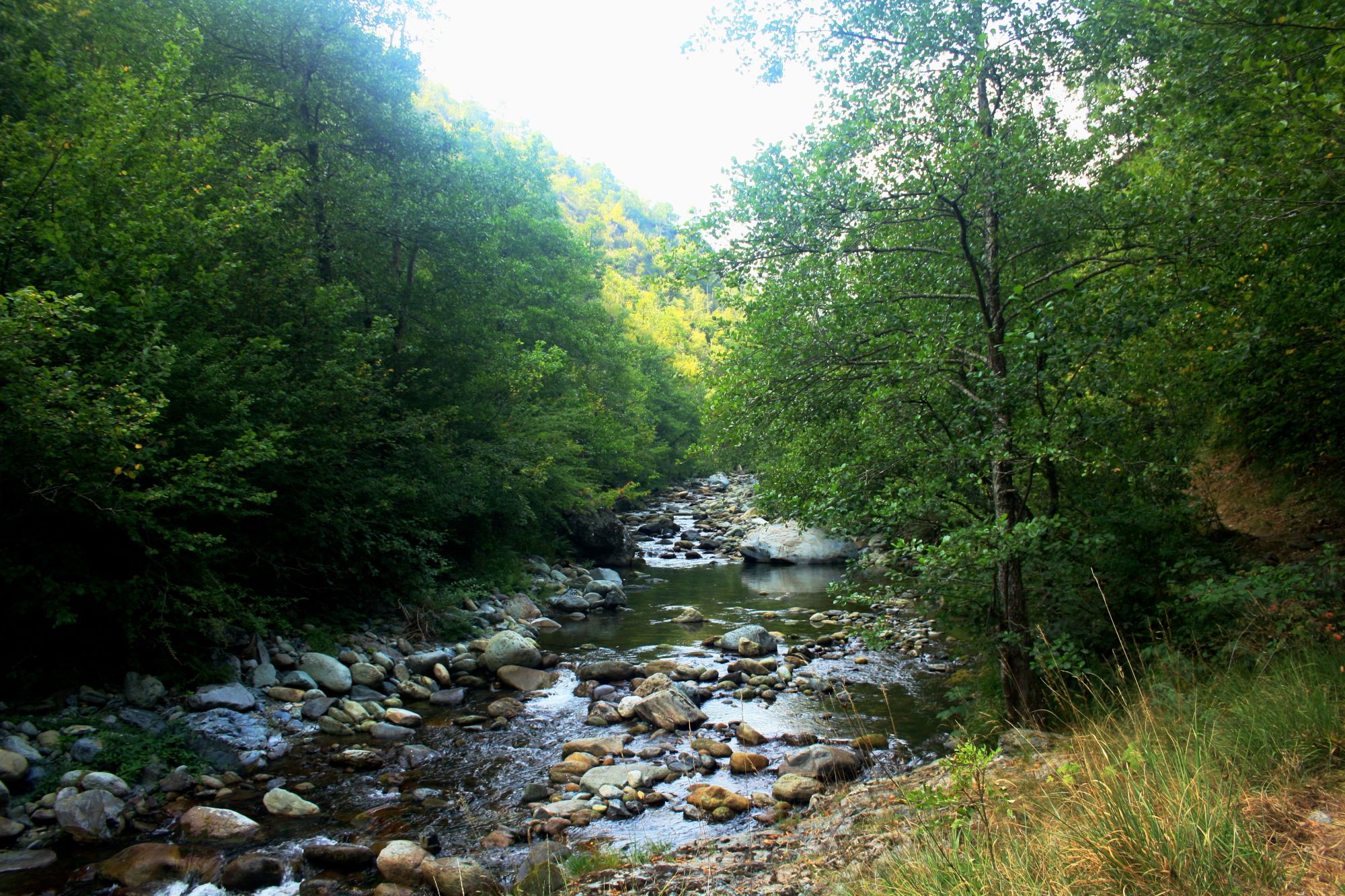
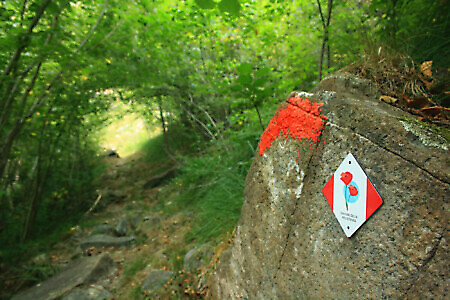
DirectionsTake the dirt road that branches off to the right in the middle of the Molar del Lupo hamlet. Follow it uphill until it becomes a trail. In this first section, the route follows the lateral valley of Toglie, which takes its name from the Rio delle Toglie that flows along its bottom.
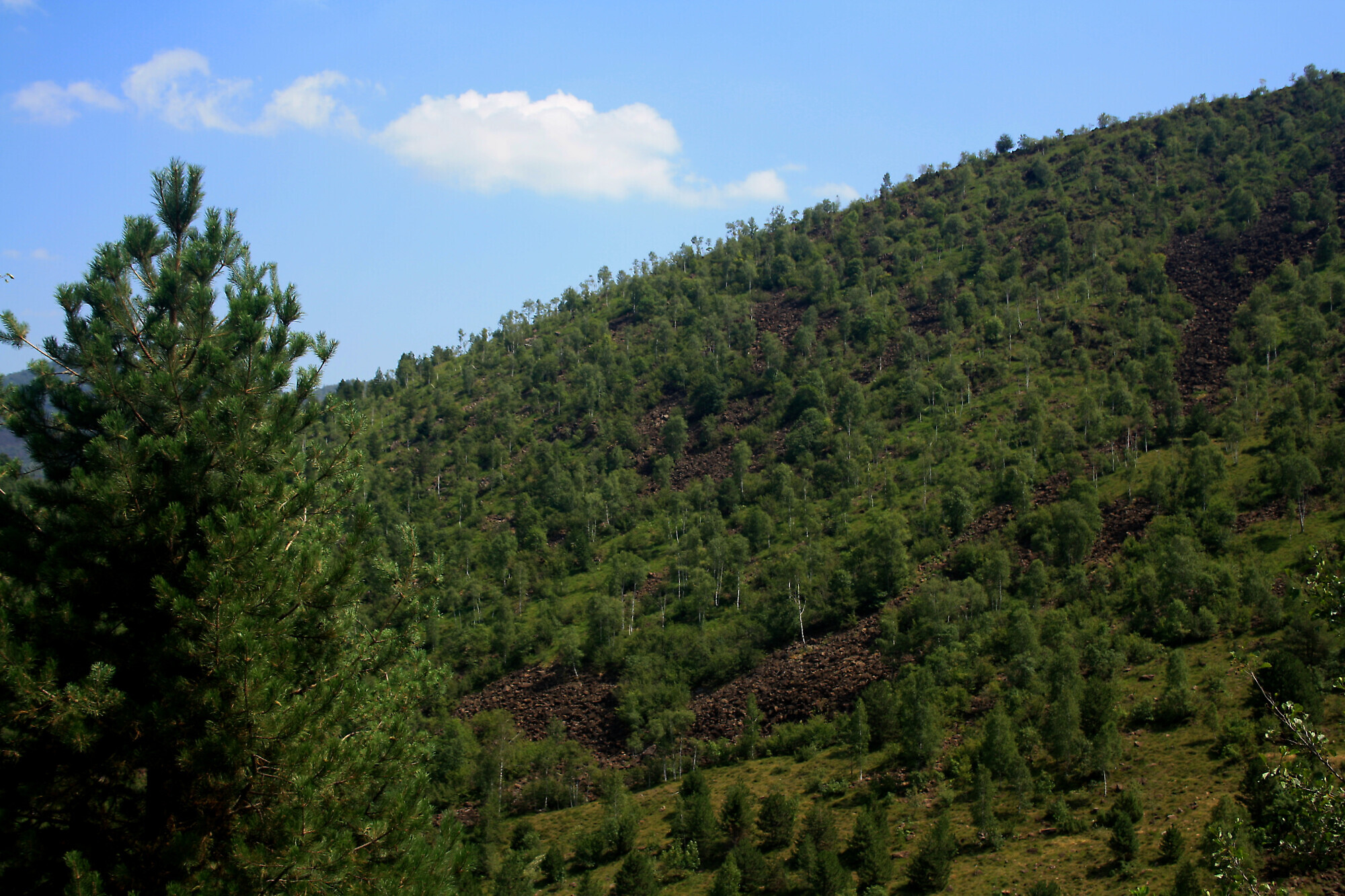
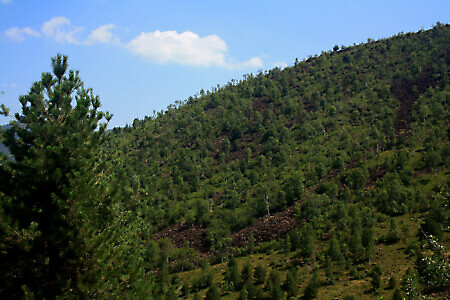
Once the cart track ends, the trail climbs, first through meadows and then through woods, almost along the fall line, thus reaching Colle Grisoni (1,398 m). During the ascent from Molar, you can observe the extensive peridotite flows that characterize the Lanzo Ultrabasic Massif.
From the pass, the descent begins toward the Chapel of San Vito. In the first section, the trail descends quite steeply along the fall line until it meets a cart track that you cross to continue the descent toward the southwest.
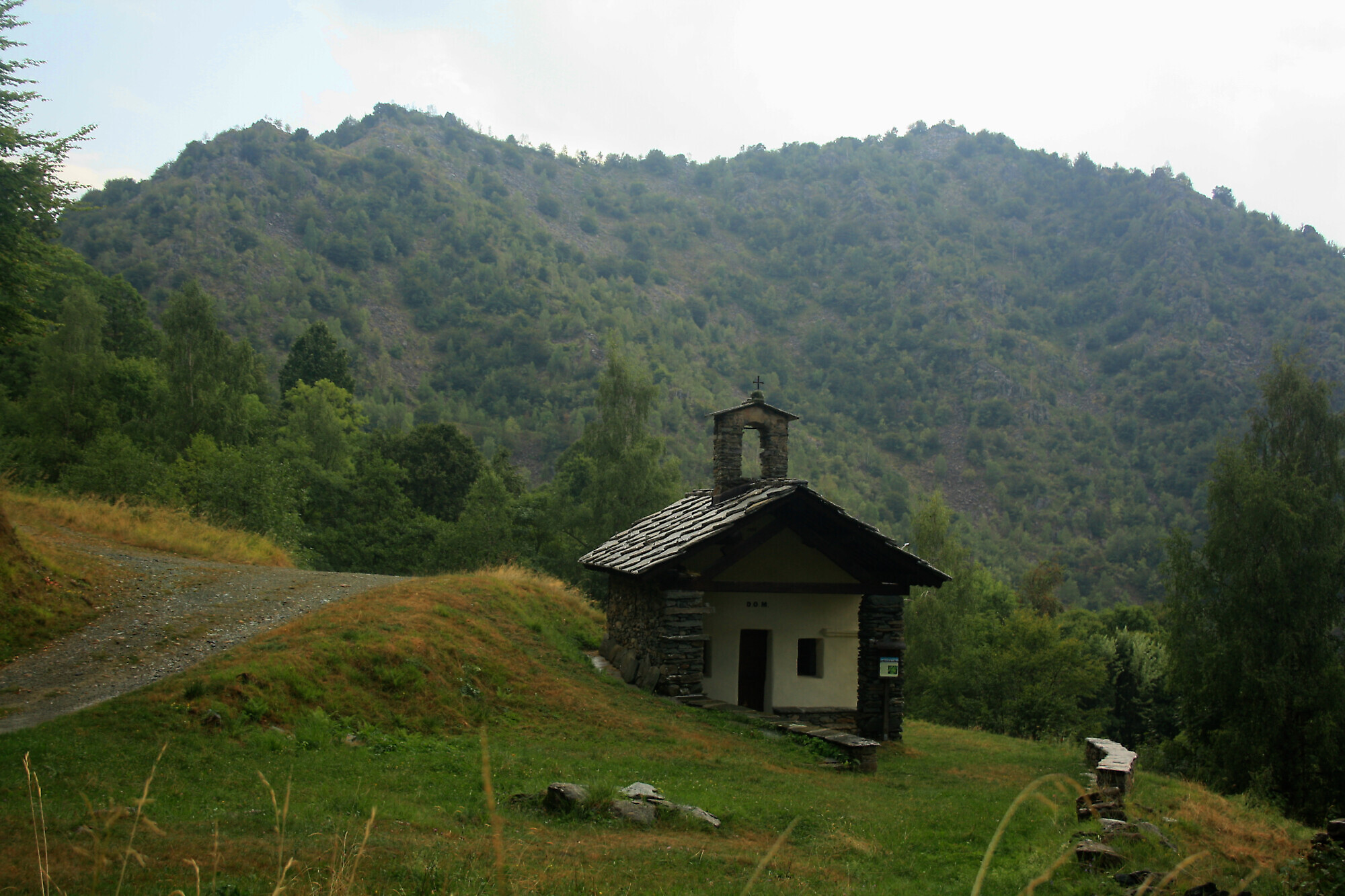
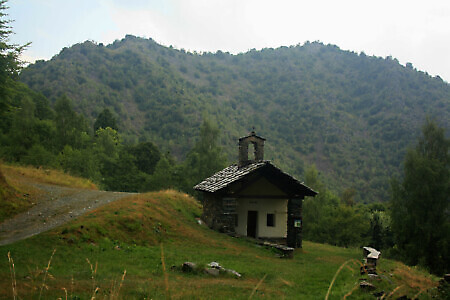
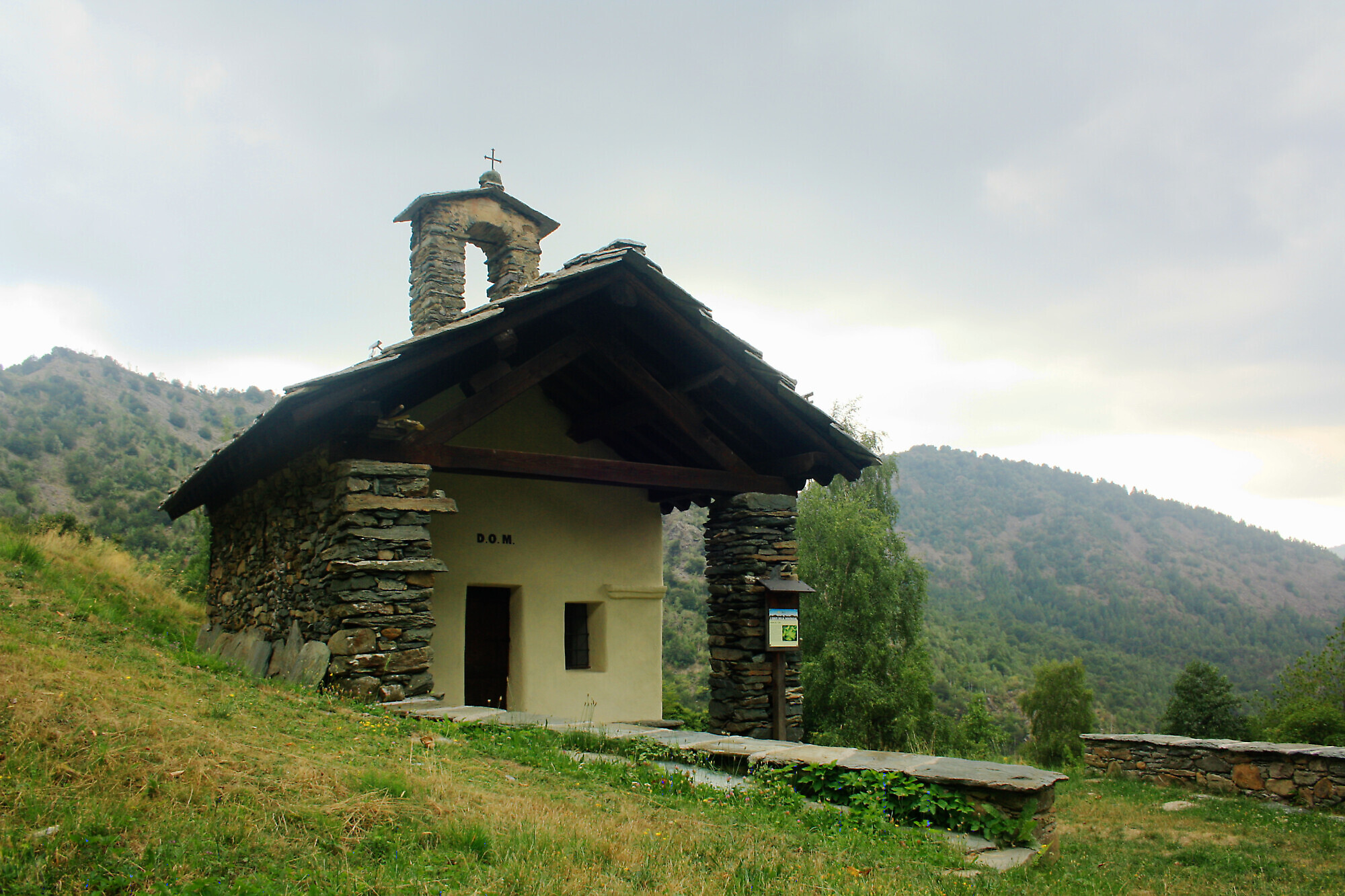
You thus reach the small Chapel of San Vito and the nearby San Vito Refuge (1,430 m). From here, follow the cart track downhill until you reach Case Morinera; the trail continues through a meadow and then enters the woods heading northwest.
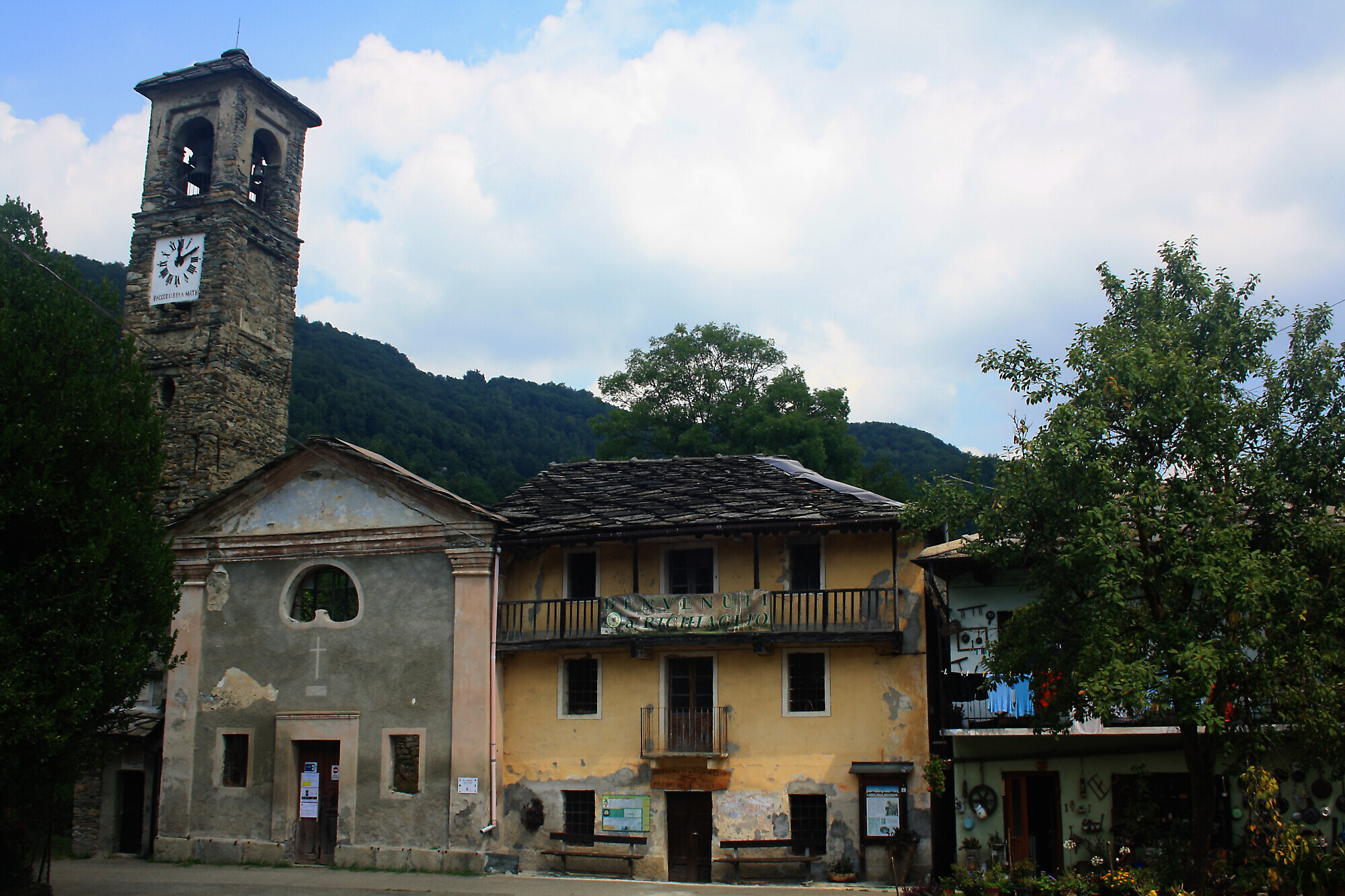
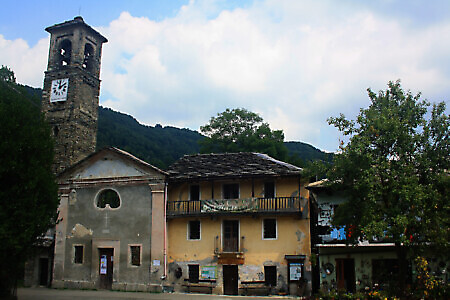
You walk a long stretch through the woods on an old mule track until you reach Case Benna; the trail continues to descend through a meadow on the right, before the group of huts, and then takes the cart track on the right that enters the center of Richiaglio (736 m).
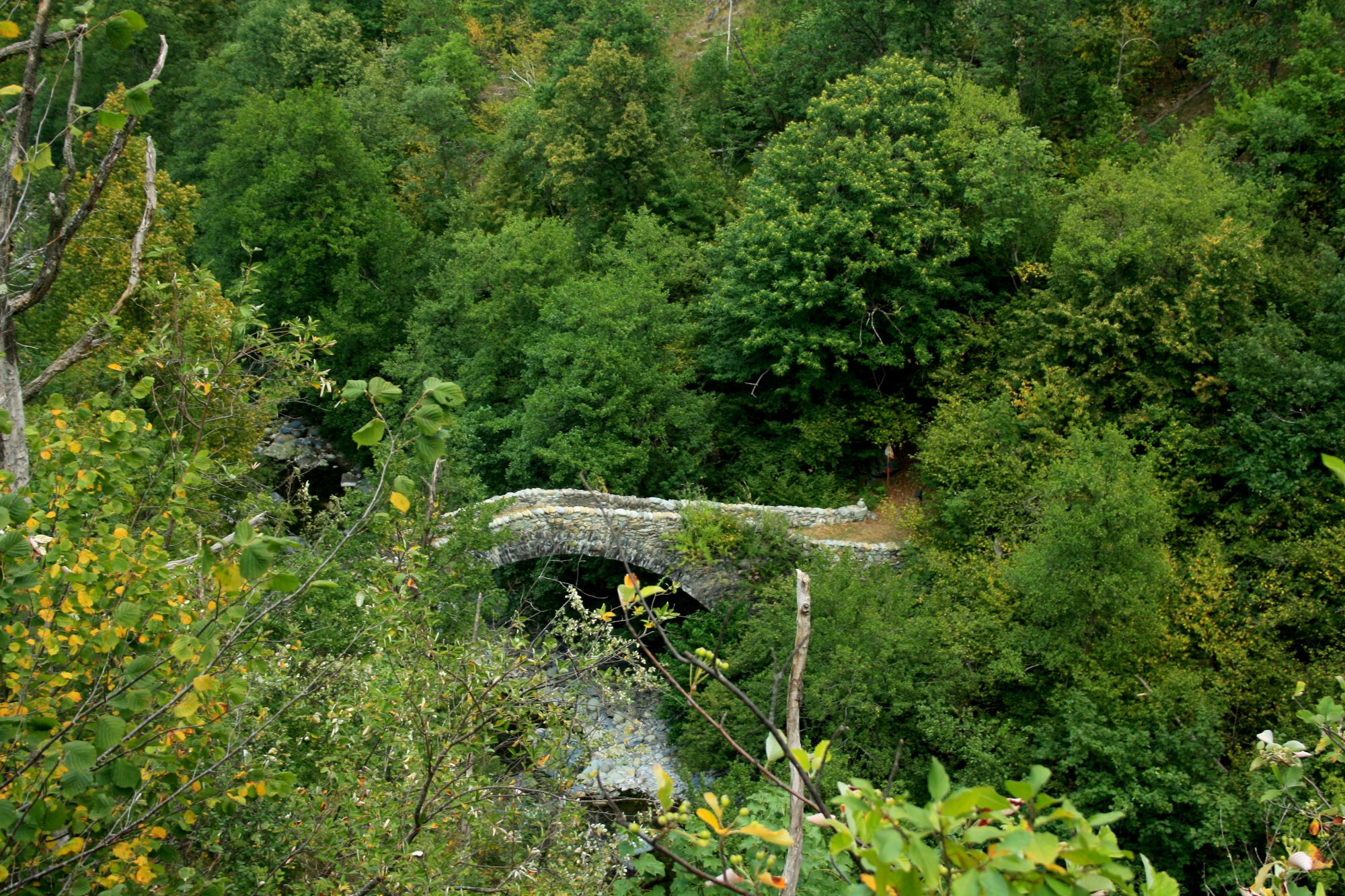
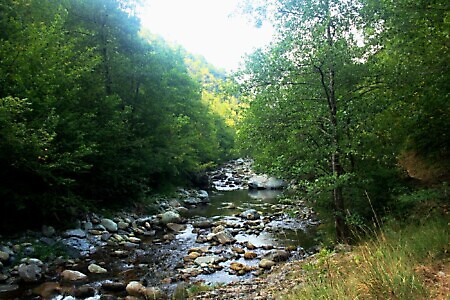
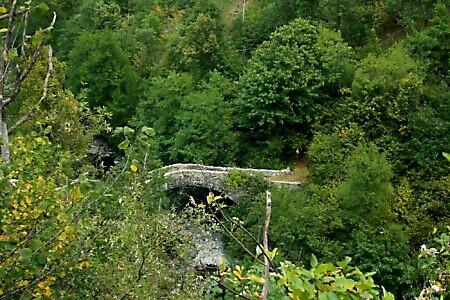
Leaving the hamlet, at a humpback stone bridge, turn right along a grassy track. At its end, the trail crosses a beautiful meadow and then enters the woods, following the course of the Rio Richiaglio.
At a certain point, you walk on a beautiful paved wall, inside which an aqueduct pipe actually runs. Upon reaching a high-voltage pylon, continue until you meet the trail that descends on the right and leads to a humpback stone bridge, the Comba Nera bridge, which allows you to cross the Rio Richiaglio.
Once you have crossed the bridge, continue along the mid-slope trail that cuts across the slopes of Monte Combanera. You thus reach the paved road that, with two switchbacks, leads back to the starting point.
Curiosities
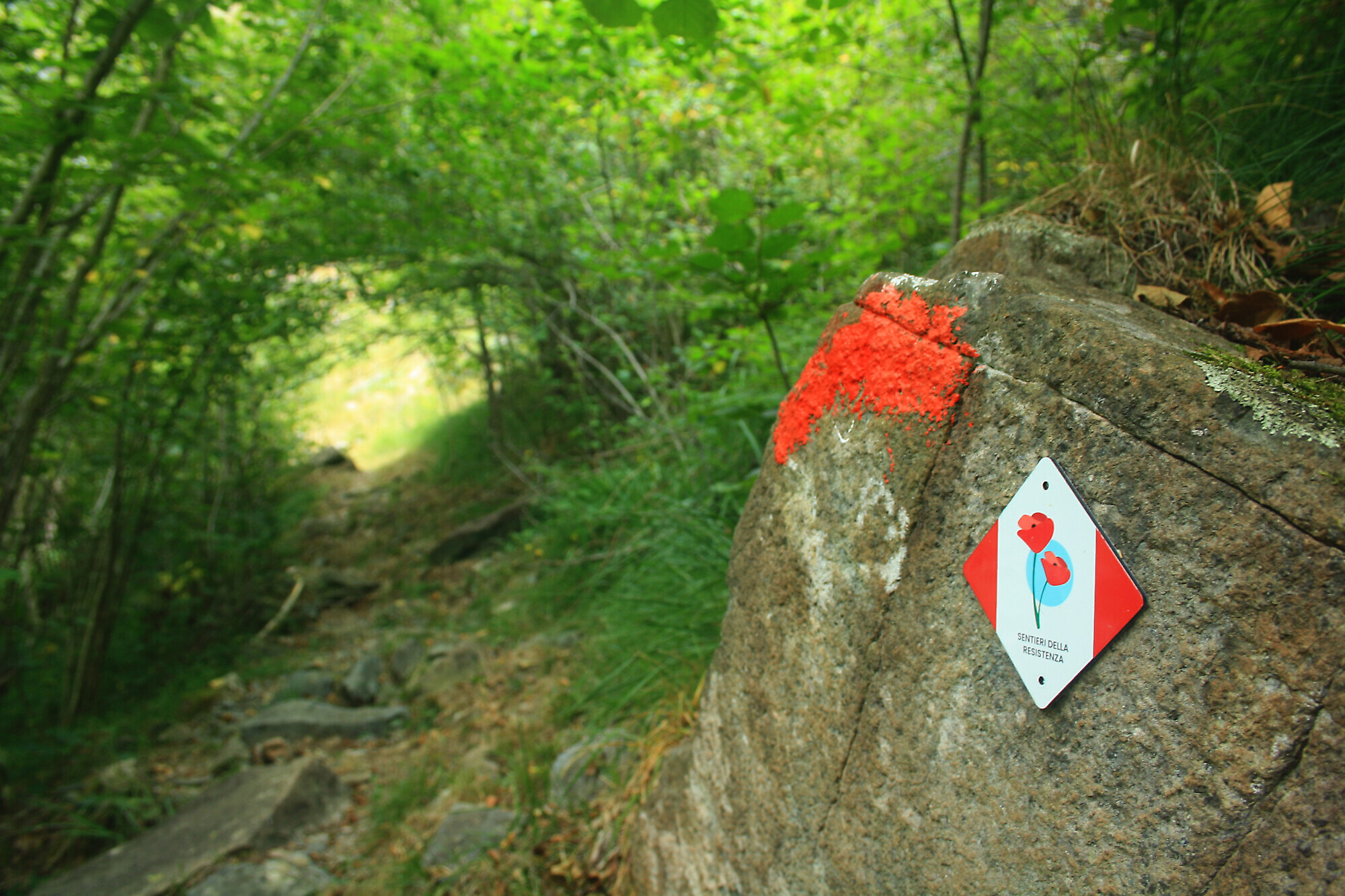
Trails of the Resistance and Memory
The trail that climbs to Colle Grisoni through the Rio Toglie valley was often used by the "Manovra" detachment of the 19th Garibaldi Brigade Eusebio Giambone to reach the plain by bypassing the Nazi-Fascists who controlled Lanzo. Following the partisan attack on the Nazi-Fascist garrison in Lanzo on June 26, 1944, and the establishment of a "liberated zone" in the Valli di Lanzo, partisan squads were forced into continuous supply runs along these trails to counter the railway and road blockade of supplies implemented by the Nazi-Fascists in Lanzo, and to guarantee the necessary provisions for themselves as well as the civilian population.
The trail network dedicated to the Resistance has been developed by the Ecomuseum of the Resistance, a distributed museum covering the area adjacent to Colle del Lys that includes the Museum headquarters, the Tower, the Garden of Peace, the Common Grave area as well as the Trails of Memory.
Richiaglio and Its History
The name of this small village derives from Rio-Chiaro (Clear Stream), due to the clarity of the waters of the torrent that flows through it. The inhabitants of Richiaglio lived from agriculture and small-scale livestock farming, and were also known as makers of wicker baskets and hampers useful for transporting goods to the markets of Val Della Torre, Rubiana, Vallo, and Traves. In 1578, the village recorded the passage of the Holy Shroud coming from Usseglio, during its transport from Chambéry to Turin; a plaque on the nearby Chapel of Biolaj stands as testimony. On August 9, 1930, a visit to the hamlet by Umberto of Savoy, Prince of Piedmont, was recorded, present at the maneuvers of the 92nd King's Infantry Regiment in the area.