Overview
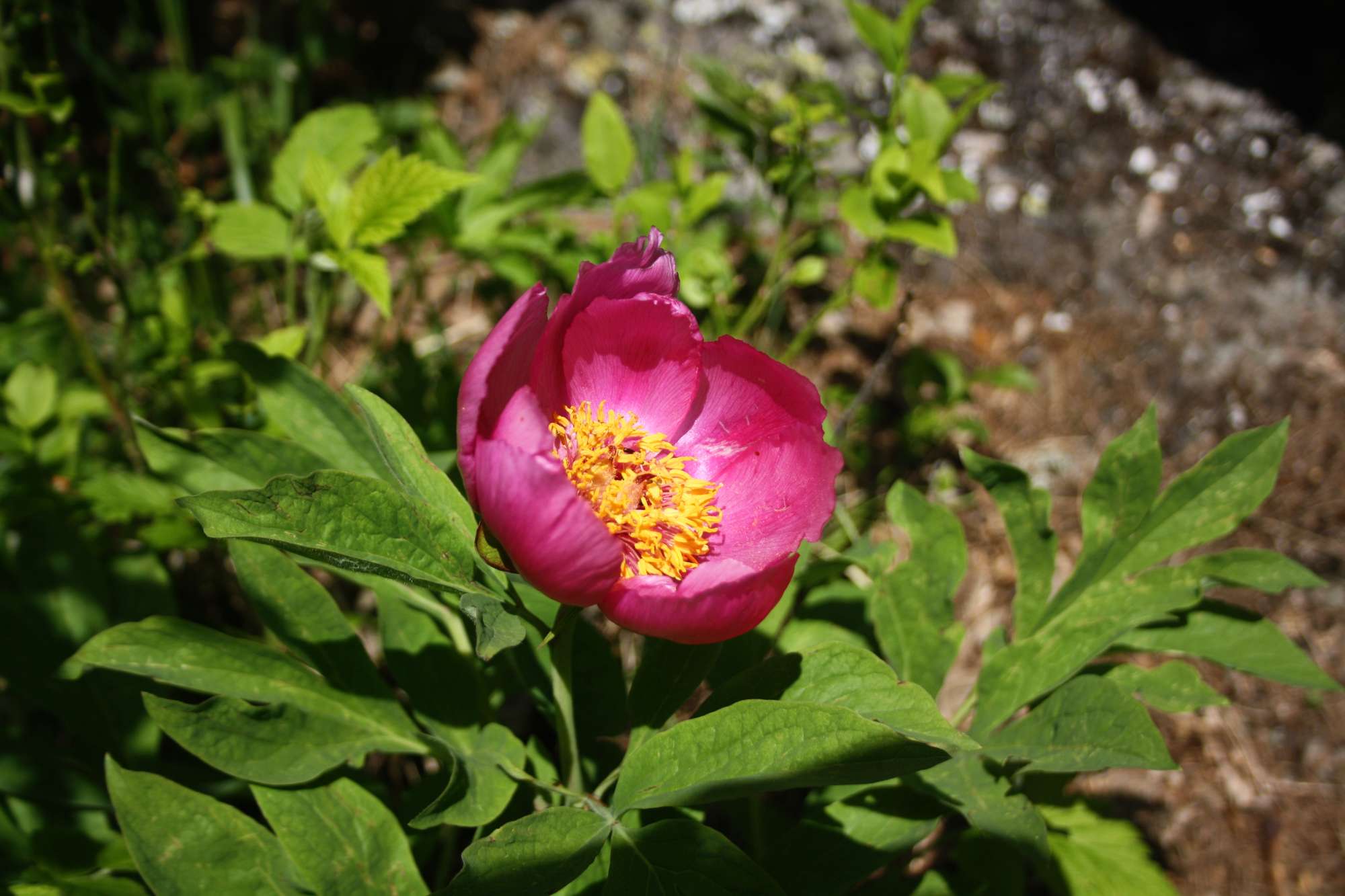
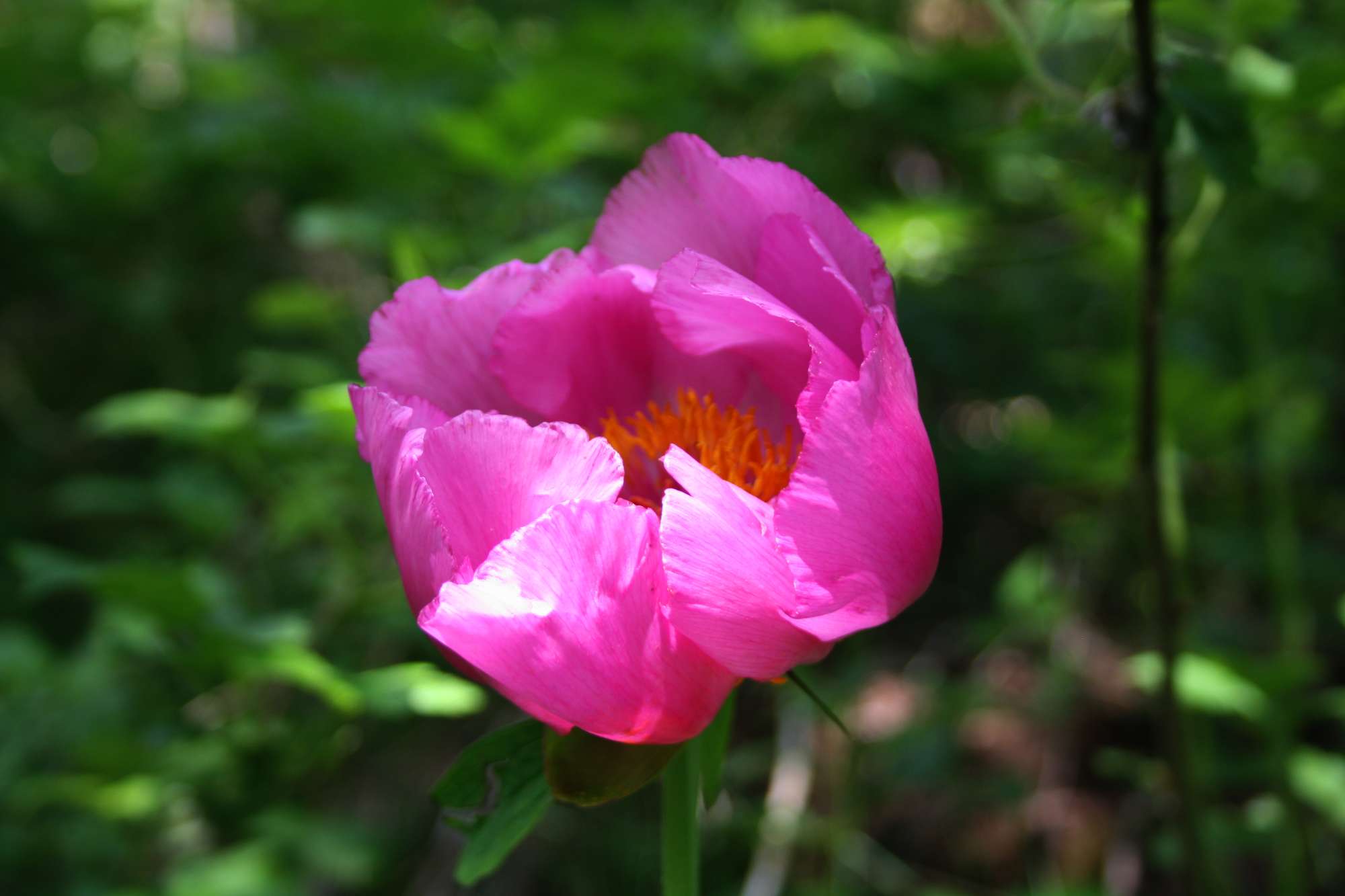
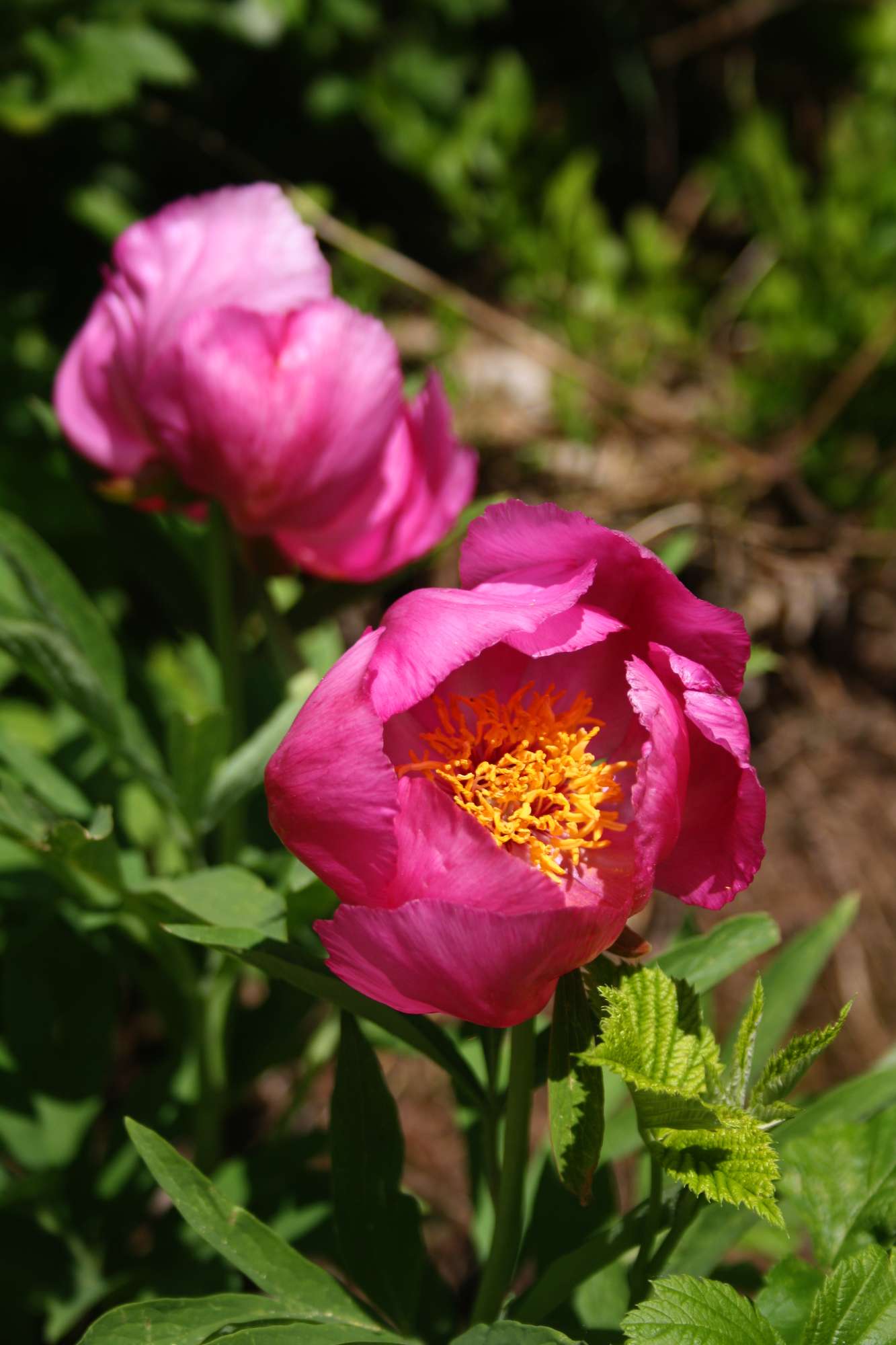
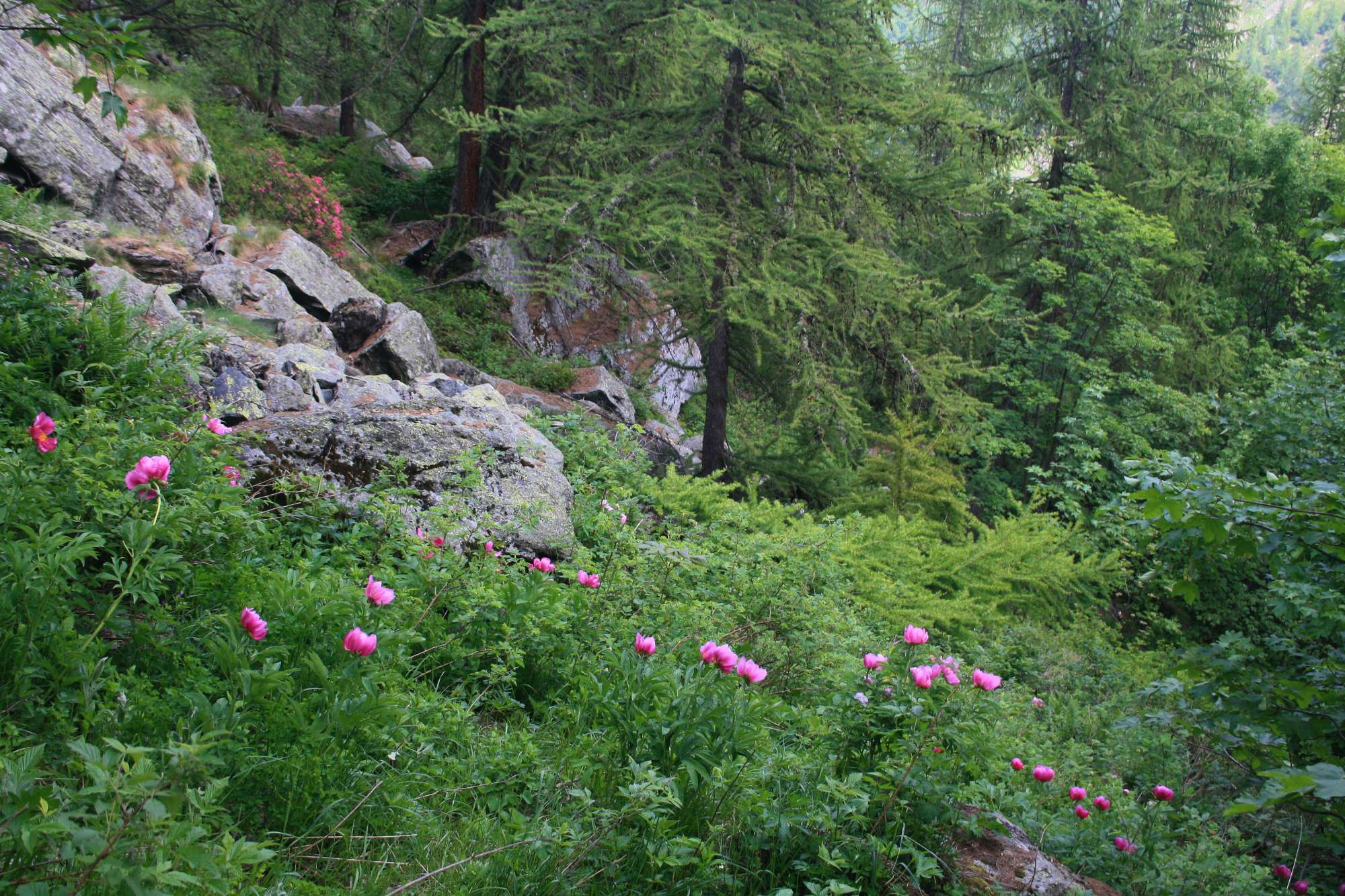
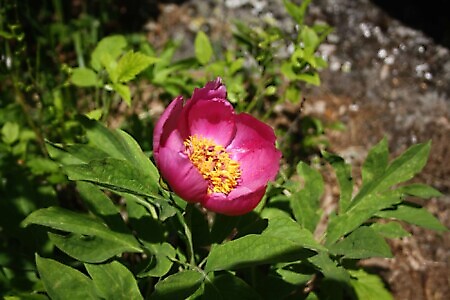
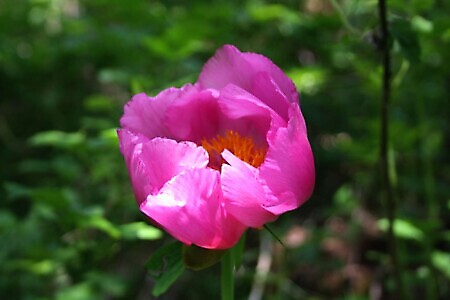
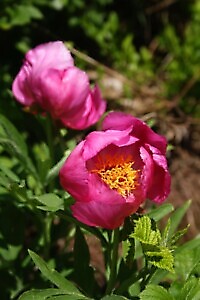
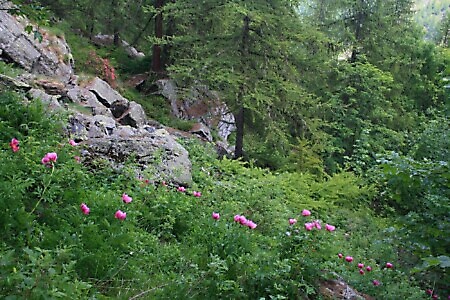
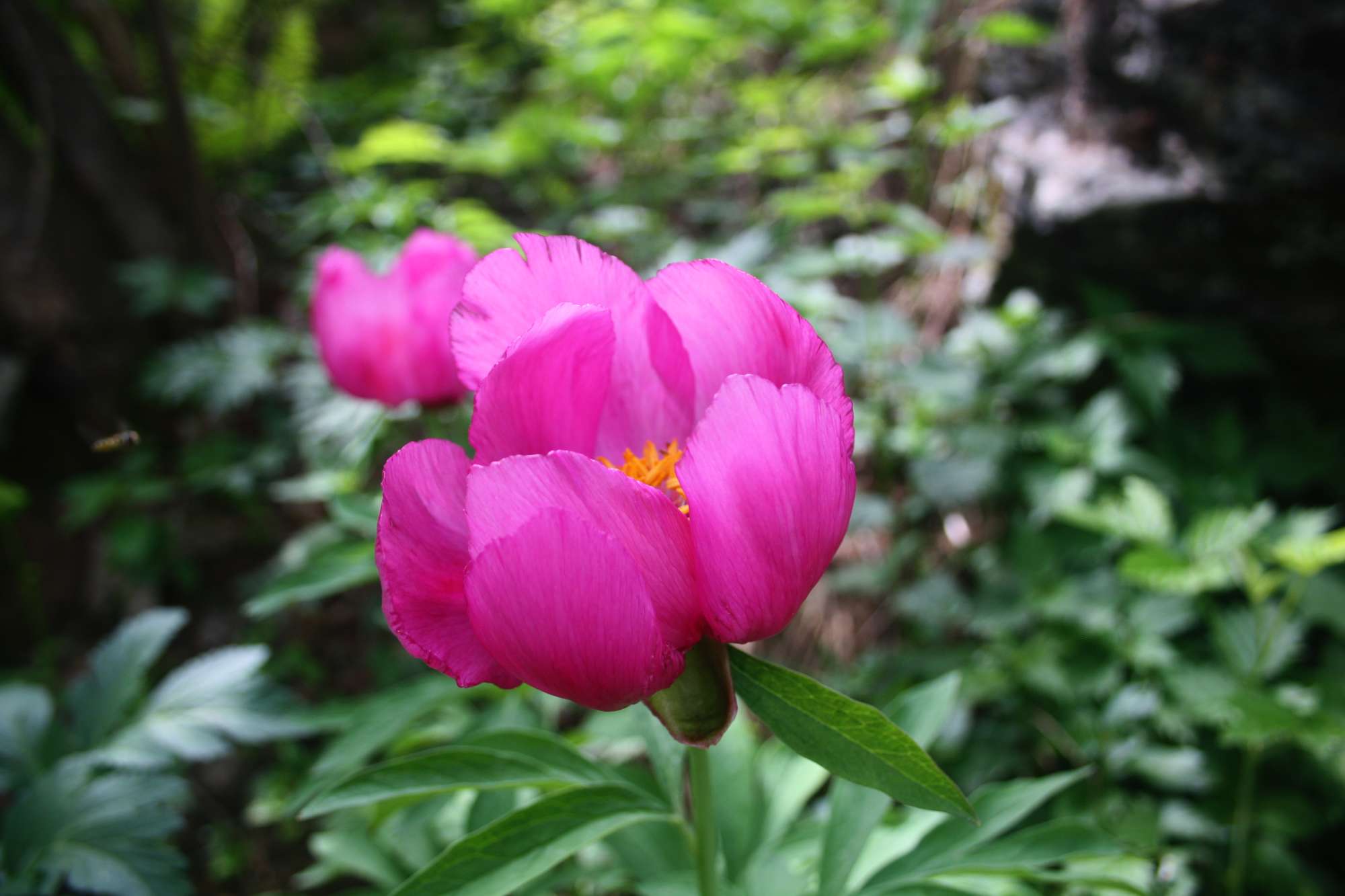
This itinerary allows you to observe the spectacular peony blooms on the slopes beyond Alpe Roc Piat, which flower every year around mid-June. Continuing along the path, it is also possible to reach Alpe del Colletto and the pass above.
Starting point
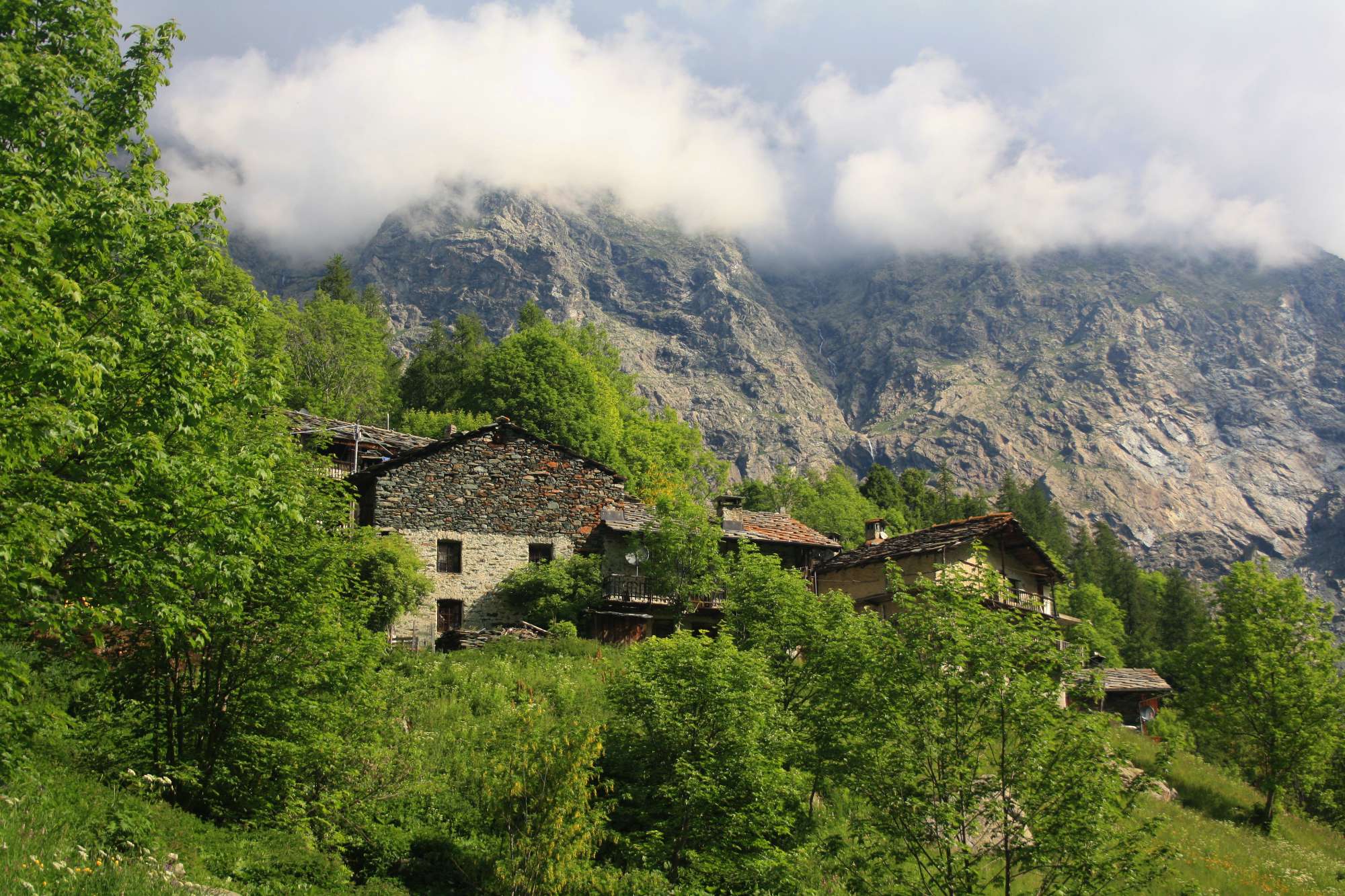
DirectionsFrom the paved road below Borgata Frè, continue straight until you take the dirt road that begins at an information board. Follow the cart track which eventually narrows, becoming a path.
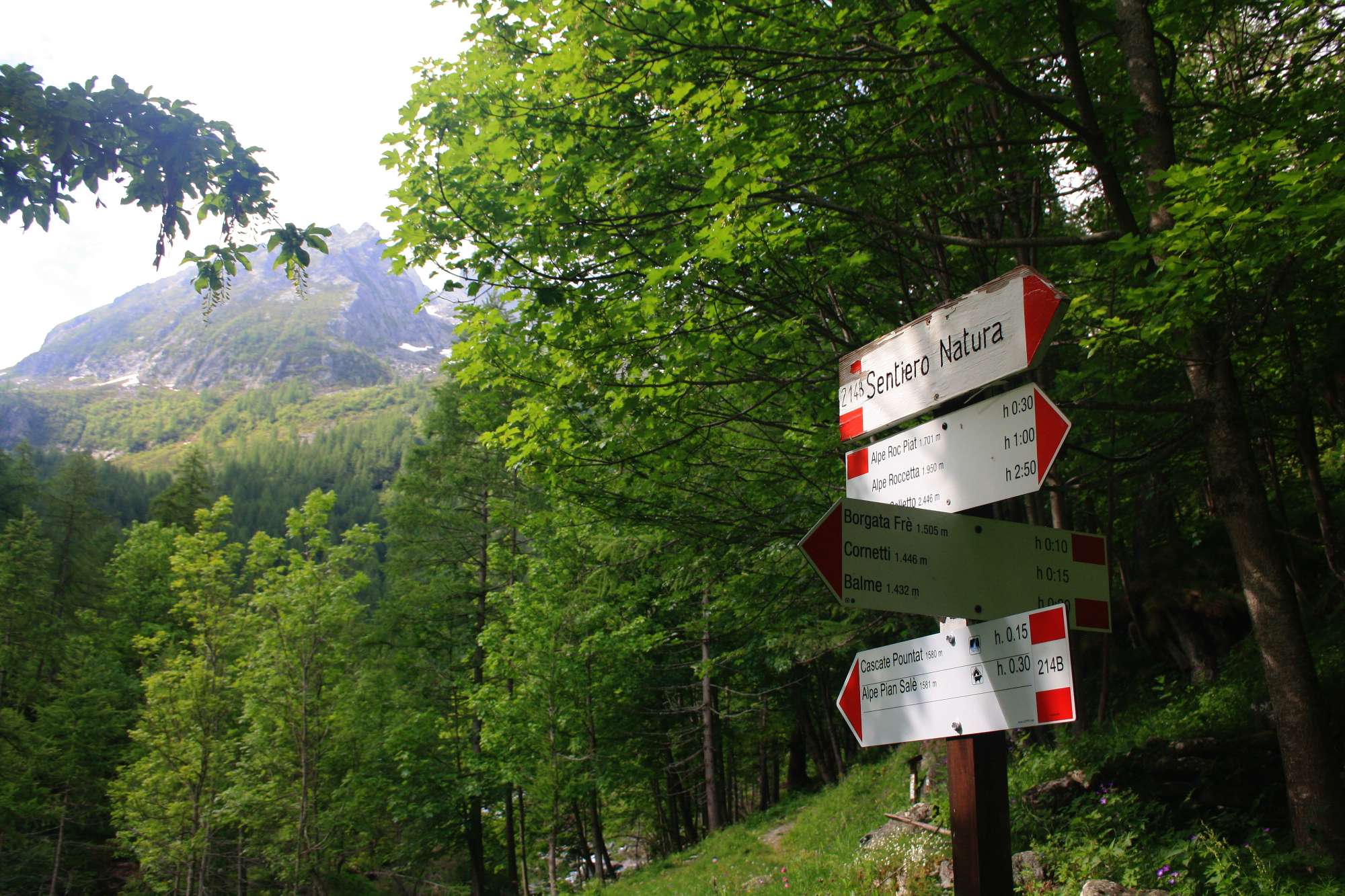
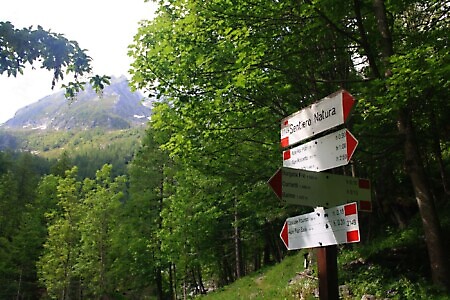
Follow it until you reach the vicinity of Alpe Li Soùgn and take the track that climbs to the right into the woods, following signs for Alpe Roc Piat – Alpe Roccetta.
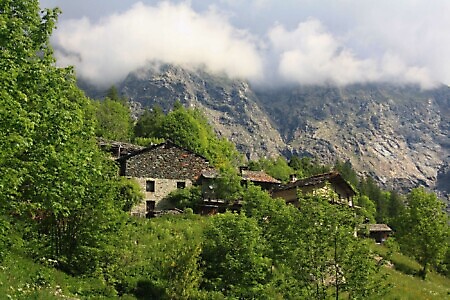
In this first section of the ascent, you will encounter two turn-offs, both on the right: the first leads to the Chios houses, while the second leads to Alpe Tchavana. Ignore both and continue climbing through the woods in a south-westerly direction until you reach Alpe Roc Piat (1701 m).
After passing the alpine pasture, the area affected by the peony blooms begins, their bright colors dotting the stretch of path that leads to Alpe Roccetta.
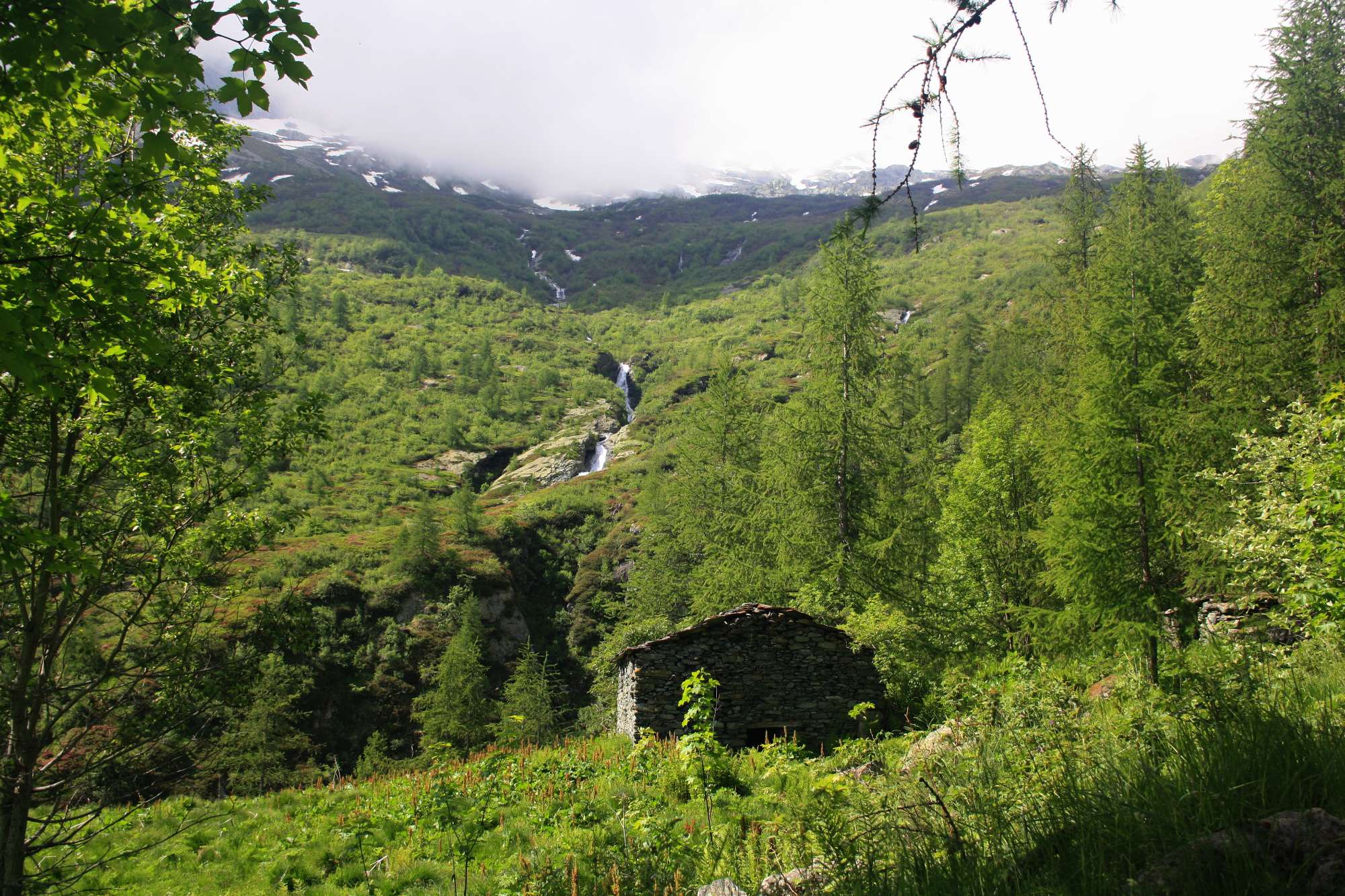
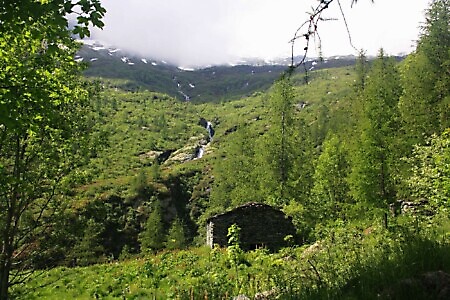
Shortly beyond Alpe Roccetta, there is a short, fairly exposed traverse over the gorge of the valley crossed by the Rio Pontat; once past it, continue the climb until you cross another traverse at the foot of a scree slope.
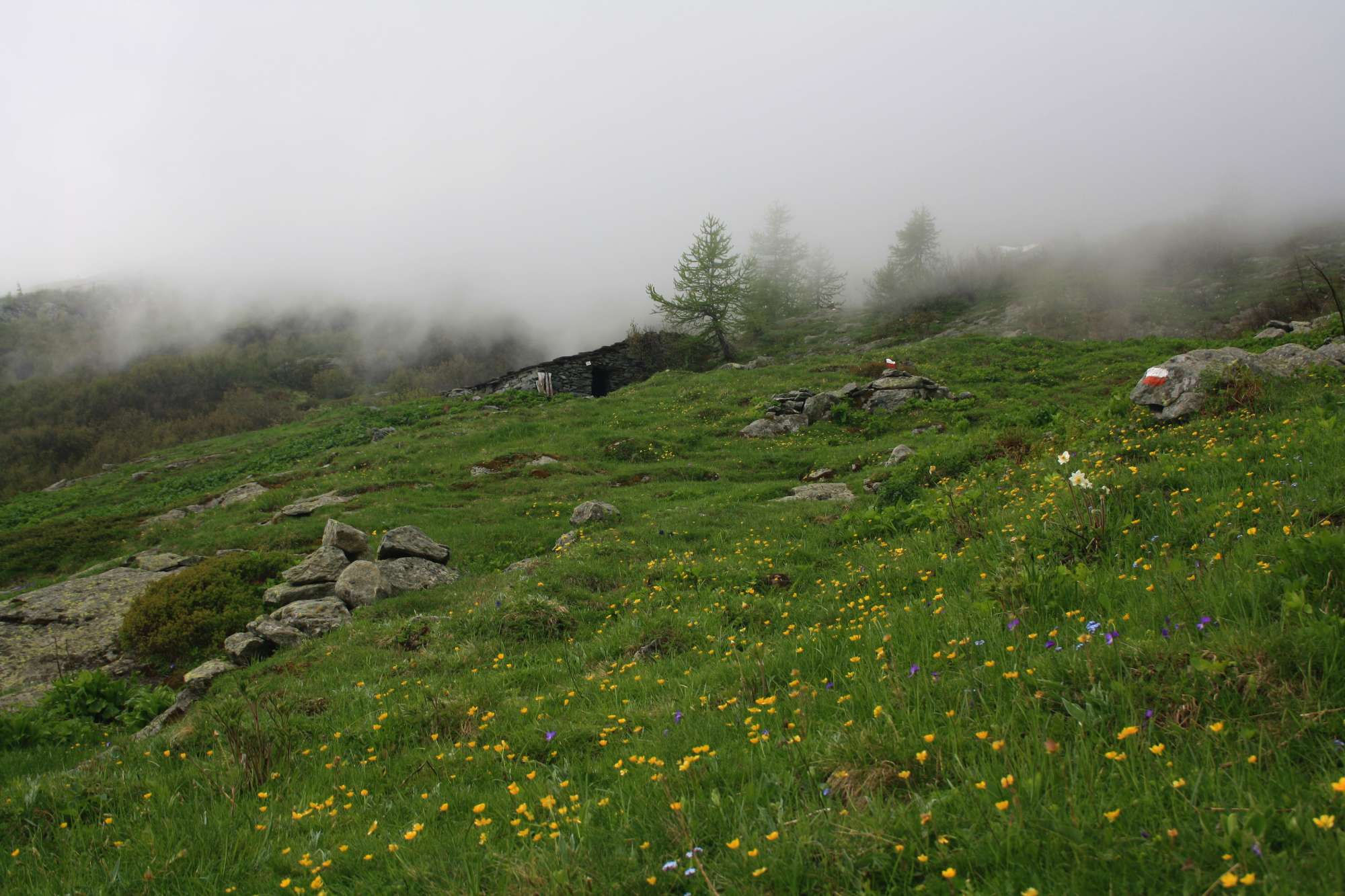
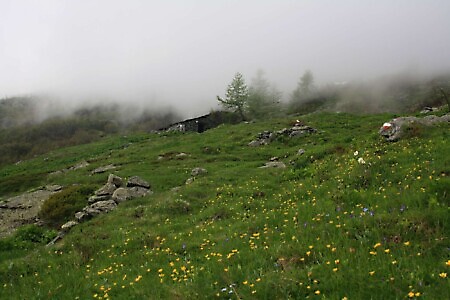
The path curves to the left to enter the wide Servin amphitheater, where you first encounter Alpe Pontat and then Alpe Rian, climbing the grassy slope at its steepest point and orienting yourself with cairns and rare white-red markers.
From Alpe Rian, the track curves slightly north-west, reaching the ruins of Alpe Colletto, located just below the Colle del Colletto (2453 m). From here, the pass is reached in a few minutes.
The descent can be made via the ascent route or along path 217, which crosses Ghicet du Rat and descends towards the alpine pastures of Pian Gioè and Comba before returning to Borgata Frè.
Curiosities
In Piedmont, the Peonia Officinalis is a strictly protected species; this means that picking, removing, damaging, possessing parts of it, or trading it is prohibited.
Its name derives from Paeon, an ancient Greek deity, god of medicine and physician to the gods of Olympus. According to Pliny the Elder, it was Paeon who discovered this plant and gave it his name.
Notes
After passing Alpe Roccetta, the difficulty of the route increases to EE, given the need to cross some exposed sections and have good orientation skills, as the track to Alpe del Colletto is faint, although marked by cairns and rare white-red markers.